

Table of Contents
- How to Identify High Quality Apparel: Start With the Fabric
- How to Check Fabric Quality Beyond First Impressions
- Inspect Stitching and Seam Integrity
- Evaluate Hardware Quality and Durability
- Pattern Matching and Tailoring Details
- Tips for Sustainable Apparel Shopping and Long-Term Value
- How to Care for High-Quality Apparel to Maximize Durability
- Conclusion
Last Updated: August 20, 2026
How to Identify High Quality Apparel: Start With the Fabric
The foundation of any high-quality garment begins with its fiber composition. Understanding fabric properties, fiber type, weight, density, and how it responds to washing, tells you almost everything about how a piece will perform over time. At Inkspired Creations, we prioritize fabric selection because it's the single biggest factor in whether an item will last years or months.
Check Fiber Composition and Natural vs. Synthetic Blends
Long-staple cotton has longer fibers that create stronger yarn and softer fabric. Mercerized cotton undergoes chemical treatment that increases luster and durability. These details matter because shorter fibers break down faster during washing and wear.
Synthetic blends serve a purpose when used intentionally. A blend of 85% cotton and 15% polyester maintains breathability while improving longevity. The problem comes when brands use synthetics to replace quality cotton entirely. Check the label. If it says "100% cotton" but feels stiff or plasticky, it's likely short-staple cotton. Quality cotton should feel soft immediately, not after five washes.
Assess Fabric Weight and Hand-Feel
Fabric weight, measured in grams per square meter (gsm), directly correlates with durability. A quality heavyweight tee sits at 200+ gsm, while lightweight t-shirts run 150-180 gsm. High-quality fabric has a smooth, consistent texture. Run your fingers across the fabric in multiple directions, quality apparel feels the same whether you're moving with the grain or against it.
Drape reveals quality too. Fold a piece of fabric and let it hang. Does it fall naturally, or does it bunch and wrinkle? Better fabric drapes smoothly because the fibers are uniform and the weave is tight.
Test for Transparency and Opacity
Hold the garment up to light. Can you see through it? Transparent fabric means the weave is too loose or the fiber count is too low. A quality t-shirt should be opaque enough that you can't see your hand clearly through it when held to light. This test is especially important for lighter colors, which sometimes use thinner fabric. Transparency indicates the fabric will pill, tear, and fade faster.
How to Check Fabric Quality Beyond First Impressions
Feeling fabric in a store gives initial information, but it doesn't reveal how it will behave after washing and wearing.
The Wash Test Methodology
Before committing to a purchase, wash a similar item in the same color and fabric blend using warm water and your normal detergent. After one wash, check for color fading, shrinkage, pilling, and texture changes. Quality fabric changes minimally after one wash. Repeat this test three to five times for major investments. A quality garment should stabilize after the first wash and remain consistent.
Colorfastness and Pilling Resistance
Colorfastness measures how well dye adheres to fiber. Poor colorfastness means the garment will fade quickly. Check the care label, quality apparel often specifies "wash separately" or "cold water only" because the dye is premium.
Pilling occurs when short fibers break loose and ball up on the fabric surface. To test for pilling resistance, rub the fabric firmly with your hand for 30 seconds. If small balls form immediately, the fabric is prone to pilling. Quality apparel resists this.
Inspect Stitching and Seam Integrity
Construction quality separates premium apparel from fast fashion. You can have perfect fabric, but poor stitching will cause seams to fail within months.
Stitch Density and Seam Allowance
Stitch density refers to how many stitches appear per inch. High-quality apparel typically has 12-16 stitches per inch. Lower density (8-10 stitches per inch) means seams will separate under stress. Seam allowance is the fabric between the stitch line and the edge. Quality garments have 5/8 inch seam allowance, which provides room for the seam to fail gradually rather than catastrophically.
Look at the seam from the inside. Does it look straight and consistent? Wavy or uneven stitching indicates the machine wasn't properly calibrated.
French Seams and Serged Edges
French seams are a hallmark of quality construction. The seam is sewn twice: once on the outside, then folded and sewn again on the inside. This encloses raw edges and creates an extremely durable seam. Serged edges use a serger machine to bind the raw edge with thread, preventing fraying. Check the inside of the garment, are edges finished, or do they look rough and unraveled?
Inside-Out Garment Inspection
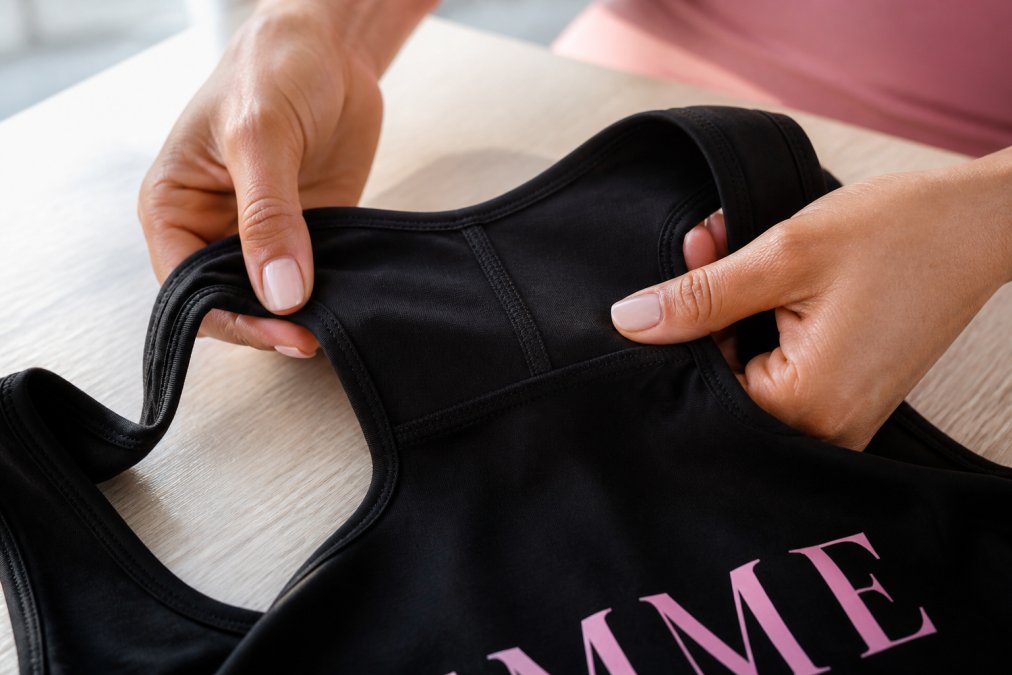
Turn the garment inside out before buying. What does the inside look like? Are there loose threads, unfinished seams, or visible defects? Quality apparel has a clean, finished interior.
Look for reinforcement stitching at stress points: armholes, necklines, and where seams intersect. These areas experience the most stress during wearing and washing. Check the neckline. Is it bound with bias tape or a folded edge? Is the binding smooth and even?
Evaluate Hardware Quality and Durability
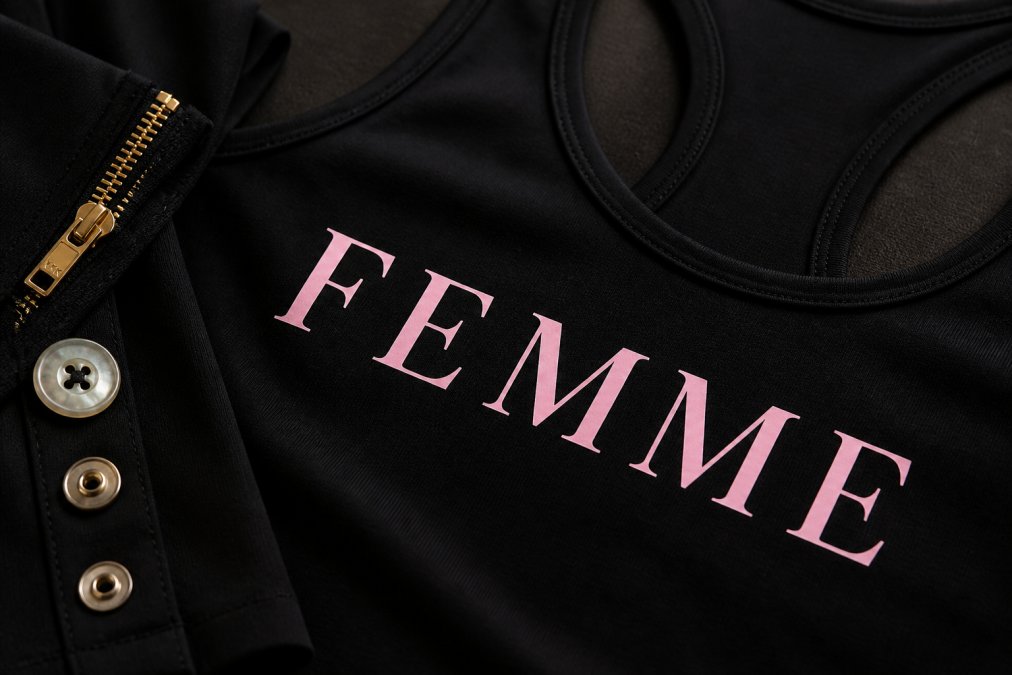
Buttons, zippers, snaps, and other hardware are stress points that fail before fabric does if they're low quality. YKK zippers are the industry standard for durability. Buttons should feel substantial, cheap plastic buttons crack and chip easily. Quality buttons have consistent color, smooth edges, and secure attachment with multiple thread passes.
Metal hardware should show no rust or discoloration. If it's supposed to be silver-tone and looks dull, the plating is cheap and will wear off. Check how hardware is attached. Is it sewn through multiple fabric layers? Stress points need reinforcement.
Pattern Matching and Tailoring Details
For patterned apparel, examine how the pattern aligns at seams. Stripes should match perfectly where panels meet. Patterns that don't match indicate the brand didn't invest in careful cutting and sewing.
Check the collar. Does it lie flat, or does it curl or twist? Poor collar construction is extremely common. A quality collar is reinforced with interfacing that holds its shape through washing and wearing. Look at sleeve length and overall proportions. Do the sleeves hang straight, or do they twist? Quality construction ensures pieces drape and fit properly.
Tips for Sustainable Apparel Shopping and Long-Term Value
High-quality apparel is inherently more sustainable than fast fashion. A piece that lasts five years instead of one year reduces waste and cost per wear dramatically.
Supply Chain Transparency and Certifications
Look for brands that document where and how their apparel is made. Certifications like GOTS (Global Organic Textile Standard) verify that cotton is grown without synthetic pesticides. OEKO-TEX certification confirms that textiles meet strict environmental and health standards. Brands that hide their supply chain often do so because conditions aren't defensible.
Inkspired Creations emphasizes meaningful, durable pieces designed to last. When you invest in quality apparel with transparent sourcing, you're building a wardrobe that reflects your values.
Cost-Per-Wear and Resale Value Indicators
Calculate cost-per-wear to understand true value. A $100 piece worn 200 times costs $0.50 per wear. A $20 piece worn 10 times costs $2.00 per wear. Quality apparel also holds resale value better. Pieces made from quality fabric with excellent construction can be resold on secondhand markets for 40-60% of original price.
Before buying, ask: Will I wear this 100+ times? Can I see myself wearing it in five years? If yes, quality matters more than initial price.
How to Care for High-Quality Apparel to Maximize Durability
Read and follow care labels. Quality brands invest in testing to determine optimal care methods. Wash less frequently, quality apparel doesn't need washing after every wear. Spot-clean stains and air out garments between wears. This dramatically extends fabric life and preserves color.
Use gentle detergent designed for delicates or natural fibers. Avoid high heat, machine drying on high heat damages fibers, causes shrinkage, and fades color. Air dry when possible, or use low heat. Store properly by hanging pieces that wrinkle easily and folding heavier knits to prevent stretching. Use cedar or lavender for natural moth protection.
Identifying high-quality apparel requires looking beyond first impressions and understanding what determines durability. When you invest in pieces made from quality fiber, constructed with precision, and built to last, you're building a wardrobe that reflects your values and supports your lifestyle for years to come. Inkspired Creations offers island-inspired apparel designed with this philosophy: meaningful pieces crafted with exceptional quality and durability that celebrate your strength and confidence. Explore pieces built to last, with flexible payment options that make quality accessible. Shop now and invest in apparel that grows more meaningful with every wear.
Frequently Asked Questions
What are the key indicators of high-quality fabric?
High-quality fabric starts with natural or long-staple cotton fibers like mercerized cotton, which offer superior durability and hand-feel. Look for appropriate fabric weight measured in GSM (grams per square meter), which indicates density and longevity. Quality fabrics resist pilling, maintain colorfastness through multiple washes, and have a smooth, consistent texture without loose threads or irregularities.
How can you tell if a garment is well-constructed?
Examine stitching from the inside out. High-quality apparel features high stitch density, proper seam allowance, and reinforcement stitching at stress points like armholes and necklines. Look for french seams or serged edges that prevent fraying. Check that patterns match at seams, hems are even and finished neatly, and all hardware like YKK zippers functions smoothly without catching.
Does higher price always mean better quality clothing?
Not necessarily. Price reflects brand positioning, marketing, and sometimes markup rather than construction quality alone. Evaluate apparel using the specific indicators outlined here: fabric composition, stitch density, seam integrity, and hardware durability. Some mid-range brands deliver exceptional quality, while premium brands may charge for aesthetics or brand reputation. Cost-per-wear, dividing the price by how many times you'll wear the piece, often reveals true value better than price alone.
What's the best way to test apparel durability before purchasing?
Perform a wash test on similar garments you already own to understand how the fabric behaves. Check care instructions and follow them precisely, quality apparel is designed to hold up when cared for properly. Inspect the garment inside and out for weak points, examine seams under light, and tug gently on fabric and stitching to feel for give or weakness. Research brand reputation and ask for customer reviews or guarantees that back durability claims.
This article was written using GrandRanker