

Table of Contents
- What Makes Clothing Last: Understanding Durability Factors
- Signs of High Quality Clothing to Look For
- How to Test Fabric Strength Before Buying
- Durability by Garment Category
- How to Care for Clothes to Make Them Last
- Assessing Clothing Durability: Your Action Plan
- Conclusion
Last Updated: August 16, 2026
What Makes Clothing Last: Understanding Durability Factors
Clothing durability results from deliberate choices in materials, construction, and design. When you assess clothing durability, you're reading the story of how a piece was made and whether it will withstand your lifestyle.
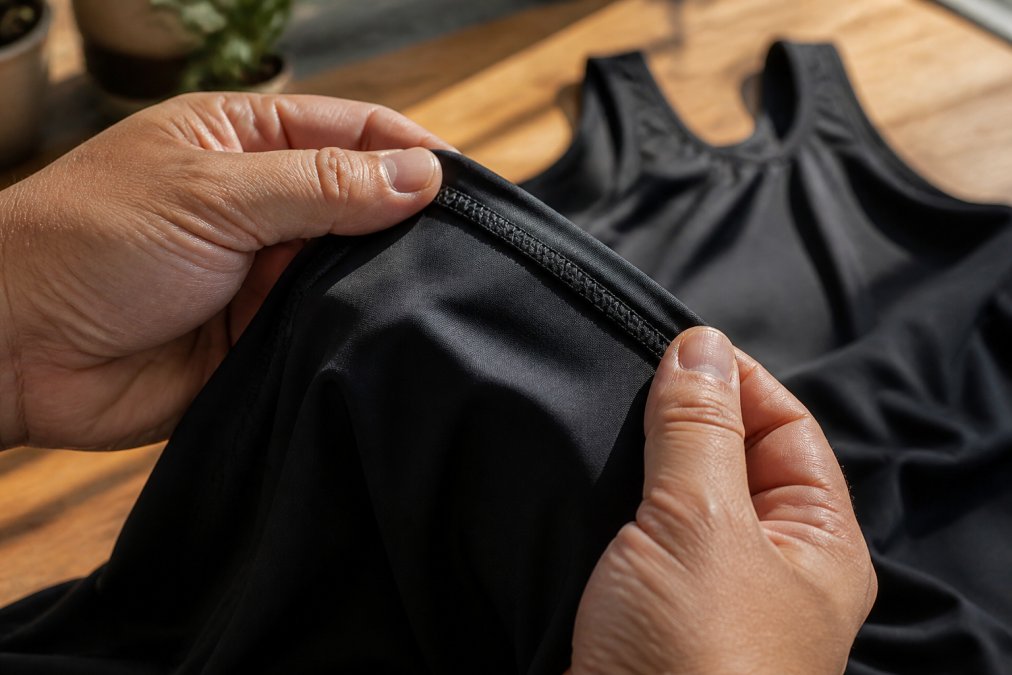
At Inkspired Creations, we've built our philosophy around durability because meaningful clothing should last. Durability depends on fiber composition and yarn count, seam integrity and stitching quality, hardware quality, and overall construction. A durable garment is a system, remove one critical component like weak seams or low-quality fabric, and the entire piece fails prematurely.
The good news: you don't need a textile laboratory to assess durability. This guide walks you through exactly how to evaluate whether a piece will actually last.
Signs of High Quality Clothing to Look For
Seam Integrity and Stitch Density
Seams fail first. A seam is only as strong as the thread, stitching pattern, and stitch spacing.
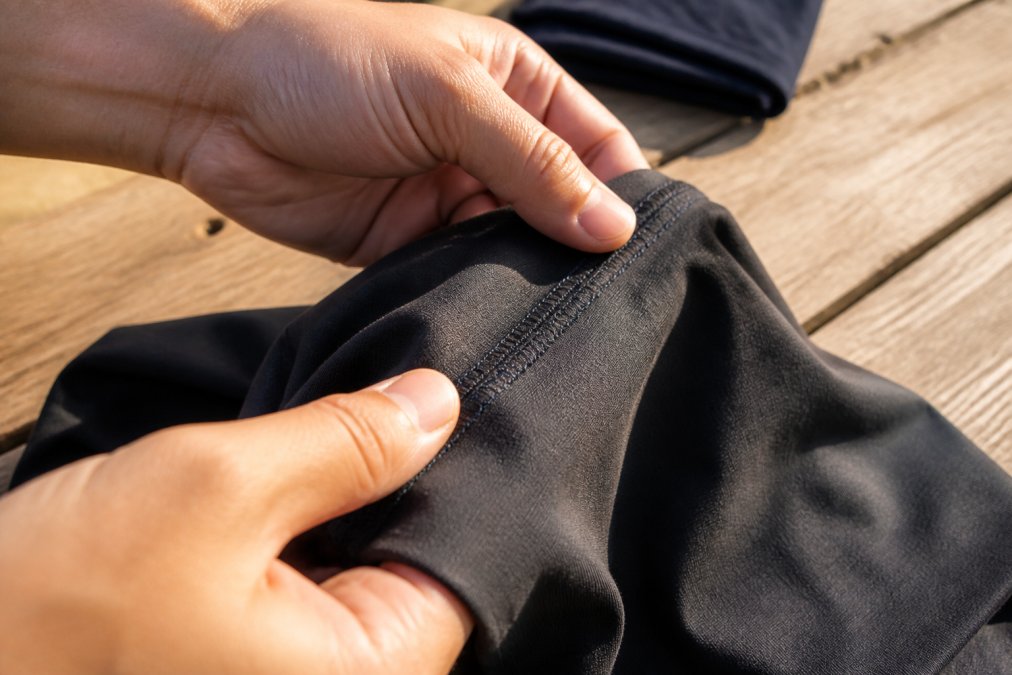
Run your finger along an internal seam. Quality garments use a lockstitch pattern with tightly interlocked stitches. Premium garments typically have 10-14 stitches per inch, while lower-quality pieces drop to 6-8. Loose, irregular stitching signals a garment that won't last.
Check the seam allowance, the fabric between the stitch line and raw edge. Generous seam allowances (1 inch or more) signal quality and provide room for repairs. Skimpy allowances indicate cost-cutting.
Look for reinforced stress points at armpits, crotch seams, and shoulders. Double-stitching or reinforcement tape here signals durability. Finally, examine thread color and quality, it should match the fabric closely and look consistent throughout.
Fabric Weight and Fiber Composition
Heavier fabrics generally last longer due to greater fiber density and abrasion resistance. But fiber composition matters enormously.
Natural fibers like cotton, linen, and wool have inherent structural resilience. Cotton fibers have a natural twist creating strength and elasticity. Linen becomes softer with age rather than deteriorating. Wool naturally recovers from compression, resisting wrinkles and maintaining shape.
Synthetic fibers like polyester and nylon are engineered for durability but behave differently. Lower-quality polyester pills easily, while nylon is exceptionally strong for high-stress areas.
The real durability secret lies in blends. A 65% cotton, 35% polyester blend often outperforms 100% cotton because synthetics add strength while cotton provides comfort. Check the fiber content label, quality garments are explicit about composition.
Yarn count, measuring how many threads twist together to create a single yarn, is critical. Higher yarn counts create denser, stronger fabrics. A 400-thread-count shirt will outlast a 200-thread-count shirt made from the same fiber.
Hardware and Construction Details
Hardware, zippers, buttons, snaps, and rivets, often determines how long a garment lasts. A beautiful shirt with a cheap plastic zipper will frustrate you within months.
Quality zippers have metal teeth that align smoothly without catching. YKK is the gold standard. Buttons should be securely attached with thread wrapped around the button shank, not sewn flat. Check the back for reinforcement stitching.
Rivets at pocket corners and stress points on jeans add years to a garment's life by distributing stress. Their presence signals durability expertise. Woven labels sewn securely indicate attention to detail throughout.
How to Test Fabric Strength Before Buying
The Stretch and Recovery Test
Gently pull a section of fabric and hold for 5-10 seconds. Release and observe how quickly it returns to original shape. Quality fabrics snap back almost immediately. Poor recovery fabrics remain stretched and wrinkled, eventually losing their fit.
This test is especially important for knits like jersey and ribbed cotton. Fabrics with good recovery maintain their intended silhouette through dozens of wears. Pay attention to resistance when stretching, fabric that stretches too easily lacks structural integrity and will pill faster.
The Pilling and Abrasion Resistance Check
Rub the fabric firmly with your palm in circular motions for 10-15 seconds on an inconspicuous area. If small fuzzy balls form, the fabric has low abrasion resistance and will pill noticeably after a few wears.
Quality fabrics show minimal pilling even after aggressive rubbing, indicating tightly bound fibers. This test is particularly useful for sweaters and knits, where pilling is most visible and frustrating.
The Tear Strength Assessment
Find an inconspicuous seam and gently apply outward pressure with both hands. Quality fabric resists tearing and requires significant force. Weak fabric tears with minimal pressure.
Tear strength indicates whether fibers themselves are strong. Weak fibers break easily under mechanical stress from pulling, washing, or normal wear. This test is especially important for pants and workwear.
Durability by Garment Category
Different garment types experience different stresses, so durability criteria vary.
For t-shirts and casual tops, prioritize stitch density and fabric weight. Look for 10+ stitches per inch and fabric weight of at least 150 grams per square meter. Seams should be reinforced at armholes and shoulders. For quality cotton t-shirts, look for reinforced stress points because meaningful t-shirts should celebrate your strength for years.
For jeans and pants, focus on fiber composition and hardware. Look for 100% cotton or cotton-blend denim with visible indigo dye. Rivets at pocket corners are non-negotiable. The waistband should be reinforced and the inseam double-stitched.
For knitwear like sweaters, assess fiber quality and construction density. Merino wool and high-quality cashmere have natural durability that cheap acrylic can't match. Look for tight, even knit density with no visible light through the fabric. Seams should be finished cleanly.
For outerwear like jackets, examine the outer shell fabric, lining, and seams. The shell should have substantial weight and water resistance. Linings should be securely stitched and durable. Stress-point reinforcement at collar, cuffs, and hem is critical.
How to Care for Clothes to Make Them Last
Washing and Laundering Best Practices
Turn garments inside out before washing to protect the outer surface from abrasion. Use cold water whenever possible, hot water weakens fibers, fades colors, and causes shrinkage.
Wash delicate items and pilling-prone garments in mesh laundry bags to reduce friction. Choose a gentle cycle for quality garments; aggressive agitation accelerates wear.
Limit washing frequency. Jeans can go 5-10 wears between washes. Sweaters need washing only a few times per season. Spot-clean minor stains rather than washing entire garments.
Use gentle, pH-neutral detergents that preserve fabric integrity. For delicate fabrics, consider specialized detergents designed for wool or silk.
Storage and Maintenance Routines
Hang items that wrinkle easily or have structured shapes, blazers, dresses, button-ups, on quality hangers that support weight without stretching shoulders. Fold heavier knits like sweaters and store them flat or on shelves to prevent shoulder deformation.
Store items in a cool, dark place away from direct sunlight. UV light fades colors and weakens fibers. Protect seasonal items with cedar blocks or sealed storage bags to prevent moth damage.
Air out garments between wears rather than immediately washing. Hanging a worn shirt overnight removes odors and reduces washing frequency. For items with special finishes or embellishments, follow care label instructions precisely.
Assessing Clothing Durability: Your Action Plan
Step 1: Inspect the label. Check fiber composition, care instructions, and country of origin.
Step 2: Examine the seams. Count stitches per inch and look for reinforcement at stress points.
Step 3: Assess the fabric. Feel weight and density. Perform the stretch and recovery test. Rub to check pilling tendency.
Step 4: Evaluate hardware. Check zipper quality, button attachment, and rivet placement.
Step 5: Consider the category. Apply durability criteria specific to garment type.
Step 6: Perform the tear test. Gently test fabric strength at an inconspicuous seam.
Step 7: Commit to proper care. Even perfectly made garments deteriorate quickly without proper washing and storage.
This assessment takes 2-3 minutes per garment and is the difference between pieces that last years and pieces that deteriorate within months.
Choosing durable clothing expresses your values and confidence. At Inkspired Creations, we believe meaningful clothing should be built to last, which is why every piece is designed with durability as a core principle. When you learn to assess clothing durability, you're investing in pieces that will support your journey for years to come. Shop pieces designed with exceptional quality and durability, and care for them with intention.
| Assessment Step | What to Check | What Indicates Quality |
|---|---|---|
| Seams and Stitching | Stitch density, reinforcement, seam allowance | 10-14 stitches per inch, reinforced stress points, 1-inch+ allowance |
| Fabric Quality | Weight, fiber composition, yarn count | Substantial weight, natural fibers or quality blends, high yarn count |
| Hardware | Zippers, buttons, rivets | Metal zippers, securely attached buttons, rivets at stress points |
| Stretch Recovery | Fabric elasticity and shape retention | Immediate return to original shape after stretching |
| Pilling Resistance | Fiber bonding and surface durability | Minimal pilling after rubbing test |
| Tear Strength | Fiber integrity under stress | Significant resistance to tearing under gentle pressure |
Frequently Asked Questions
How can you tell if a garment is well-made?
Well-made garments show consistent, tight stitching with 8-10 stitches per inch in seams. Check that seams are reinforced at stress points like underarms and crotch, hems are even and secure, and zippers move smoothly without snagging. Examine the fabric grain alignment, patterns should match at seams. Run your hand across the fabric; quality pieces feel smooth and uniform. Look for tight, regular stitches rather than loose or uneven threading. These details indicate craftsmanship and structural integrity that predict how long the garment will last.
What are the most durable fabric types for everyday wear?
Natural fibers like cotton and linen offer good durability when tightly woven, with high yarn counts (150+ for cotton). Wool provides excellent abrasion resistance and recovery. Synthetic blends like cotton-polyester (65/35 or 80/20) balance breathability with tensile strength. Denim, canvas, and twill weaves are inherently durable due to their construction. Avoid loosely woven fabrics and single-ply materials. The durability also depends on fiber quality, longer staple cotton (Pima or Egyptian) resists pilling better than short staple varieties. Check the weight; heavier fabrics typically withstand mechanical stress better than lightweight versions.
How do I assess clothing durability when shopping online?
Request detailed fabric composition percentages and weight (measured in grams per square meter or ounces per yard). Check customer reviews specifically mentioning longevity, fading, or wear after multiple washes. Ask about seam construction and whether stress points are reinforced. Examine product photos closely for stitch density and hem quality. Look for brand transparency about testing standards or durability guarantees. Many retailers provide care instructions that hint at durability, delicate fabrics require special handling, while durable pieces can withstand standard laundering. If available, read third-party testing certifications or durability claims backed by specific metrics.
Does higher price always guarantee better clothing durability?
No. Price reflects brand positioning, design, and marketing as much as material quality. A $200 garment may use premium fibers and construction, but a $60 piece made with high-quality cotton and reinforced seams can outperform it. Compare fiber composition, yarn count, stitch density, and seam reinforcement across price points. Some expensive brands prioritize aesthetics over durability, while value brands sometimes deliver solid construction. Focus on objective durability indicators, fabric weight, fiber type, stitch count, and reinforcement, rather than price alone. Customer reviews mentioning wear patterns and longevity provide better durability signals than cost.
EXTERNAL SOURCES REFERENCED:
[EXTERNAL_LINK: American Apparel & Footwear Association textile standards guide | aafaglobal.org]
[EXTERNAL_LINK: International Organization for Standardization fabric testing methods | iso.org]
[EXTERNAL_LINK: Textile Exchange sustainability and durability research | textileexchange.org]
This article was written using GrandRanker